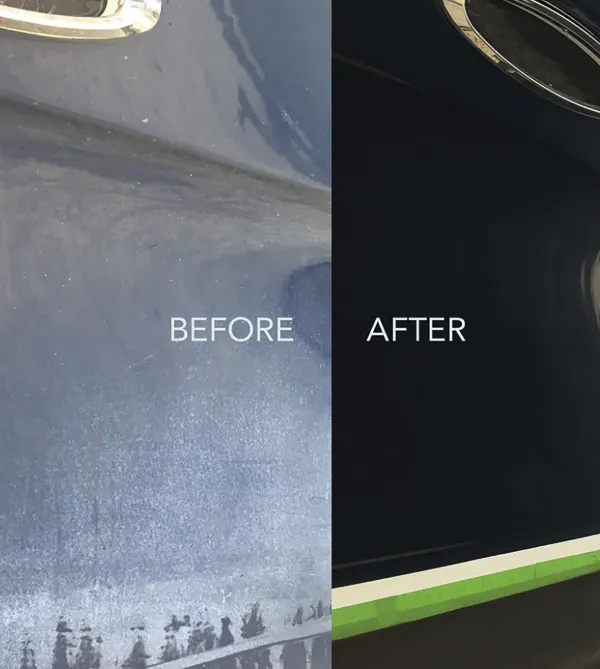
Boat Ceramic Coating at Lake Norman: Worth It?
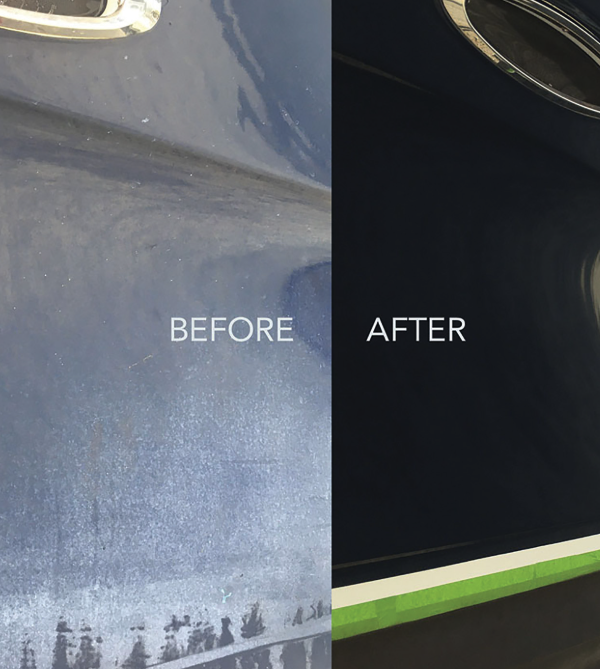
Your Boat Is Taking a Beating Right Now
It is the middle of summer at Lake Norman and your boat is sitting in direct sunlight for eight, ten, sometimes twelve hours a day. That UV exposure is doing real damage to your gelcoat whether you can see it yet or not. Oxidation starts slow — a little chalking here, some fading there — and by the time it is obvious, you are looking at a compound and polish job just to get back to where you started.
I am Zach Beck, owner of Precision Tints in Mooresville. We are STEK PPF certified and IGL ceramic coating installers. Most people know us for auto window tinting and paint protection, but IGL Kenzo — the same ceramic coating we use on cars — is rated for marine applications too. I have been getting more questions about boat ceramic coating from Lake Norman boat owners this summer, so let me break down what it actually does and whether it makes sense for your situation.
What Boat Ceramic Coating Actually Does
Ceramic coating bonds to your gelcoat at a molecular level. It creates a hard, transparent layer that sits on top of your existing finish. That layer does three things that matter for Lake Norman boaters.
First, it blocks UV rays. The NC sun hammers gelcoat all summer long, and UV is the number one cause of oxidation and color fade on fiberglass boats. Ceramic coating acts as a sacrificial UV barrier so your gelcoat takes less direct damage.
Second, it makes the surface hydrophobic. Water beads up and rolls off instead of sitting on the hull and leaving mineral deposits and water spots. If you have ever pulled your boat out after a weekend and seen those white streaks baked onto the sides, that is exactly what hydrophobic coating prevents.
Third, it cuts your cleaning time in half. Algae, pollen, bird droppings, and dock grime do not bond to the coated surface the way they bond to bare gelcoat. A quick rinse does what used to take an hour of scrubbing.
Ceramic Coating vs Wax on a Boat
Traditional marine wax gives you about 30 to 60 days of real protection. After that, UV is hitting bare gelcoat again. You end up waxing your boat four or five times a season just to stay ahead of oxidation, and every wax job means a full wash and prep first.
A professional ceramic coating lasts 18 to 24 months of measurable hydrophobic performance. Some formulations hold gloss even longer depending on how much sun exposure and dock time your boat gets. That is not a gimmick — it is just how SiO2-based coatings work. They do not wash off like wax does.
The tradeoff is cost. Ceramic coating costs more upfront than a bottle of marine wax. But when you factor in the time, products, and labor for four to five wax jobs a season, most Lake Norman boat owners come out ahead with ceramic coating by the second year.
Which Boats Benefit the Most
Boats that sit on a dock or lift at Lake Norman all summer benefit the most. If your boat lives at a marina off Brawley School Rd, Hwy 150, or anywhere along the Mooresville and Cornelius shoreline, it is soaking up UV every single day. Pontoon boats with large flat surfaces, wake boats that get heavy spray, and bass boats that trailer between Lake Norman and other NC lakes all see real results from ceramic coating.
If you only take your boat out two or three times a year and keep it in a covered garage the rest of the time, ceramic coating is probably overkill. Wax and a good cover will handle that level of exposure just fine.
What About the Hull Below the Waterline?
Ceramic coating below the waterline can reduce algae and slime buildup, but it is not a substitute for proper antifouling paint on boats that stay in the water full time. For trailered boats that come out of the water after each use, coating the hull can make cleanup noticeably easier.
How We Do It at Precision Tints
We use IGL Kenzo, which is the same graphene-reinforced ceramic coating we apply to cars and trucks. It is rated 10H hardness on the pencil scale and is formulated for automotive, marine, and aviation surfaces. The process starts with a full decontamination and polish of the gelcoat to remove any existing oxidation. If we coat over damaged gelcoat, the coating locks in the imperfections instead of protecting clean finish.
After prep, we apply the coating in controlled sections and let it cure. The whole process depends on the size of the boat, but most Lake Norman runabouts and pontoons take a full day. We work out of our shop on Brawley School Rd in Mooresville, and we can discuss logistics for larger boats that need on-site work.
Protect Your Boat Before Summer Ends
July and August are when Lake Norman boats take the most UV damage. If your gelcoat is still in good shape, now is the time to lock in that finish with ceramic coating before oxidation sets in. If it is already fading, we can compound and polish first to restore gloss, then coat to keep it there.
Call Precision Tints at (704) 818-6622 to talk about your boat. We will give you an honest answer on whether ceramic coating makes sense for how you use it — no pressure, no upsell. We are right here in Mooresville, and we have been serving Lake Norman since 2018.
