Boat Ceramic Coating on Lake Norman NC
Your Boat Takes a Beating on Lake Norman
If you keep a boat on Lake Norman, you already know what the water does to a finish. Between late June and September, UV index around Mooresville regularly hits 10 or 11. That sun breaks down gelcoat faster than most people realize. Add in waterline stains, bird droppings baking onto the hull, and pollen that turns everything yellow from April through June — and you end up spending half your weekends scrubbing instead of fishing.
I'm Zach Beck, owner of Precision Tints in Mooresville. We've been doing ceramic coatings on cars since 2018, and our marine ceramic work uses the same IGL Kenzo coating system that earned us "Best of Business 2025" and "Best in LKN." Here's what boat ceramic coating actually does, what it doesn't do, and whether it makes sense for your setup on the lake.
What Boat Ceramic Coating Actually Does
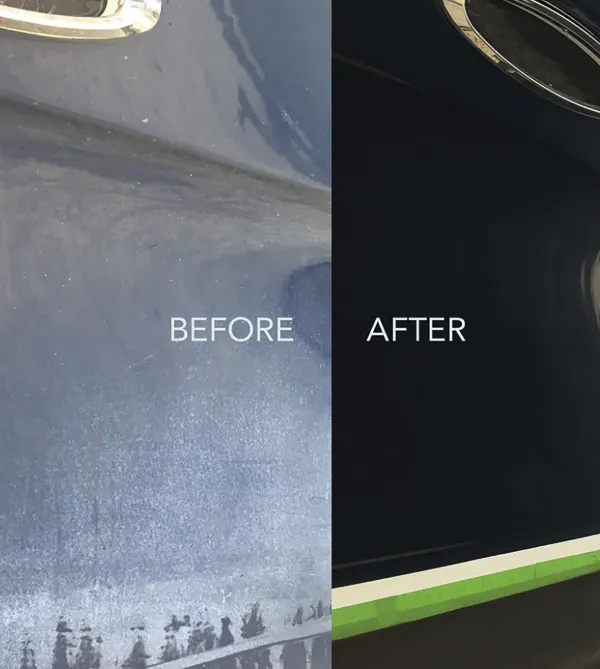
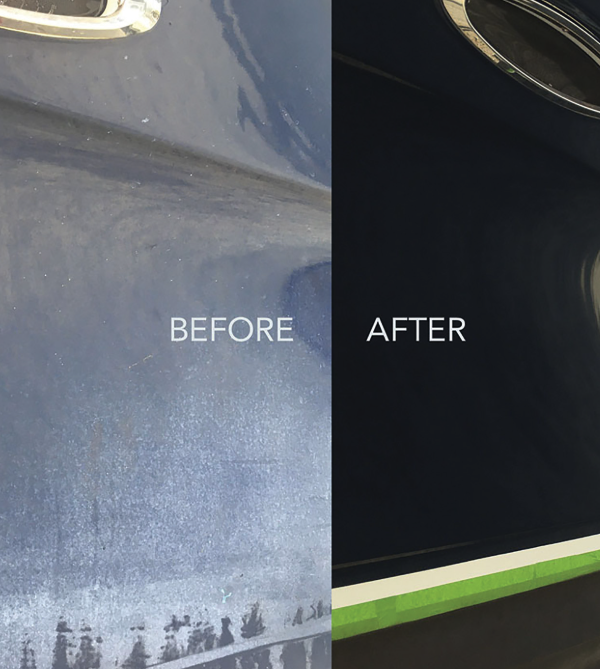
Ceramic coating bonds to gelcoat at a molecular level. It creates a glass-like layer that sits on top of your existing finish. That layer does three things that matter for Lake Norman boat owners.
First, UV protection. The coating acts as a sacrificial barrier between the sun and your gelcoat. Gelcoat oxidation is that chalky, faded look you see on older boats sitting at marinas along Brawley School Rd and up near Statesville. A ceramic coating slows that process significantly.
Second, hydrophobic properties. Water beads and sheets off a coated surface instead of sitting in pools that leave mineral deposits. On Lake Norman, where the water carries minerals and sediment — especially after heavy rain — this makes a real difference in how often you need to clean the hull.
Third, chemical resistance. Bird droppings, fish waste, algae, and bug residue don't bond to the coated surface the way they bond to bare or waxed gelcoat. A quick rinse at the dock handles what used to require a full scrub session with compound.
How It Compares to Wax
Marine wax lasts about 4 to 8 weeks on Lake Norman in summer. You're reapplying constantly. A professional ceramic coating lasts 2 to 5 years depending on how the boat is stored and maintained. The upfront cost is higher, but you're not buying wax every month and spending three hours applying it in the July heat.
That said, I'll be honest — ceramic coating isn't a magic shield. It won't prevent rock chips from trailer loading, and it won't stop barnacle growth below the waterline on boats that stay in the water year-round. It protects the finish, not the structure.
Which Lake Norman Boats Benefit Most
Not every boat setup gets the same return from ceramic coating. Here's where it makes the most sense based on what I see from Lake Norman customers:
- Lift-kept boats with sun exposure — if your lift doesn't have a canopy, your boat bakes in direct sun all day. Ceramic coating pays for itself in gelcoat preservation alone.
- Pontoon boats — large flat surfaces that collect pollen, bird droppings, and waterline stains. A coated pontoon cleans up in minutes instead of hours.
- Trailer boats that sit outside — these take UV, rain, and road debris between launches. Coating protects the finish between trips to the ramp at Hwy 150 or Lake Norman State Park.
- Boats you're planning to sell — a well-maintained finish directly affects resale value. Coated boats look newer longer.
If your boat sits covered in a dry-stack facility year-round and only comes out a few weekends, the return is lower. I'll tell you that upfront rather than sell you something you don't need.
The IGL Kenzo System We Use
We apply IGL Kenzo ceramic coating for marine work — the same product line we use on vehicles. IGL is a professional-grade system, not a consumer spray-on. The application process involves surface decontamination, paint correction if the gelcoat has oxidation or swirl marks, and then the ceramic layer goes on in controlled conditions.
The curing process matters. Temperature, humidity, and application thickness all affect how the coating bonds. That's why professional application makes a difference over DIY kits you'll find online. The coating needs to be applied evenly and allowed to cure properly, or you get high spots, streaking, and reduced longevity.
What Maintenance Looks Like After Coating
A coated boat still needs washing — the coating makes cleaning easier, not unnecessary. Use a pH-neutral marine wash. Avoid heavy degreasers or acidic hull cleaners on coated surfaces. A rinse-and-wipe after each outing keeps the hydrophobic properties working at full strength.
Most Lake Norman boat owners who get their hulls coated tell me their wash time drops from an hour-plus down to about 15 minutes. That's the real value — more time on the water, less time in the driveway with a buffer.
Get Your Boat Coated Before Summer Ends
We're in the peak of boating season right now on Lake Norman. If your gelcoat is already showing signs of oxidation or your boat is harder to clean than it used to be, a ceramic coating can reset the surface and protect it going forward. We work on boats at our Mooresville shop — same location on the Brawley School Rd corridor where we do all our auto tinting and PPF work.
Call or text us at (704) 818-6622 to talk about your boat and what level of protection makes sense. We'll give you an honest answer — even if that answer is "wax is fine for your situation."
