How Long Does Window Tint Last in NC Heat?
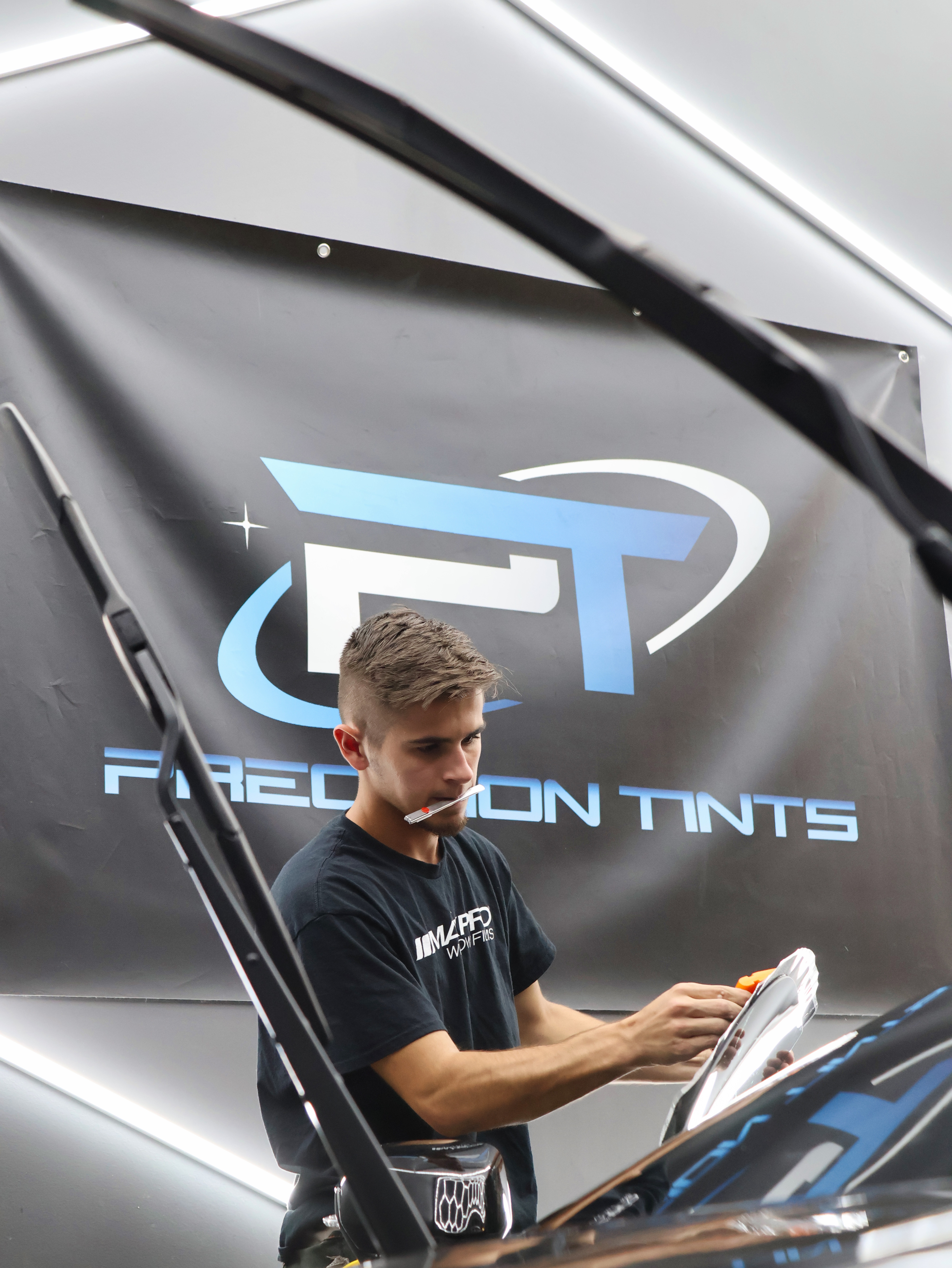
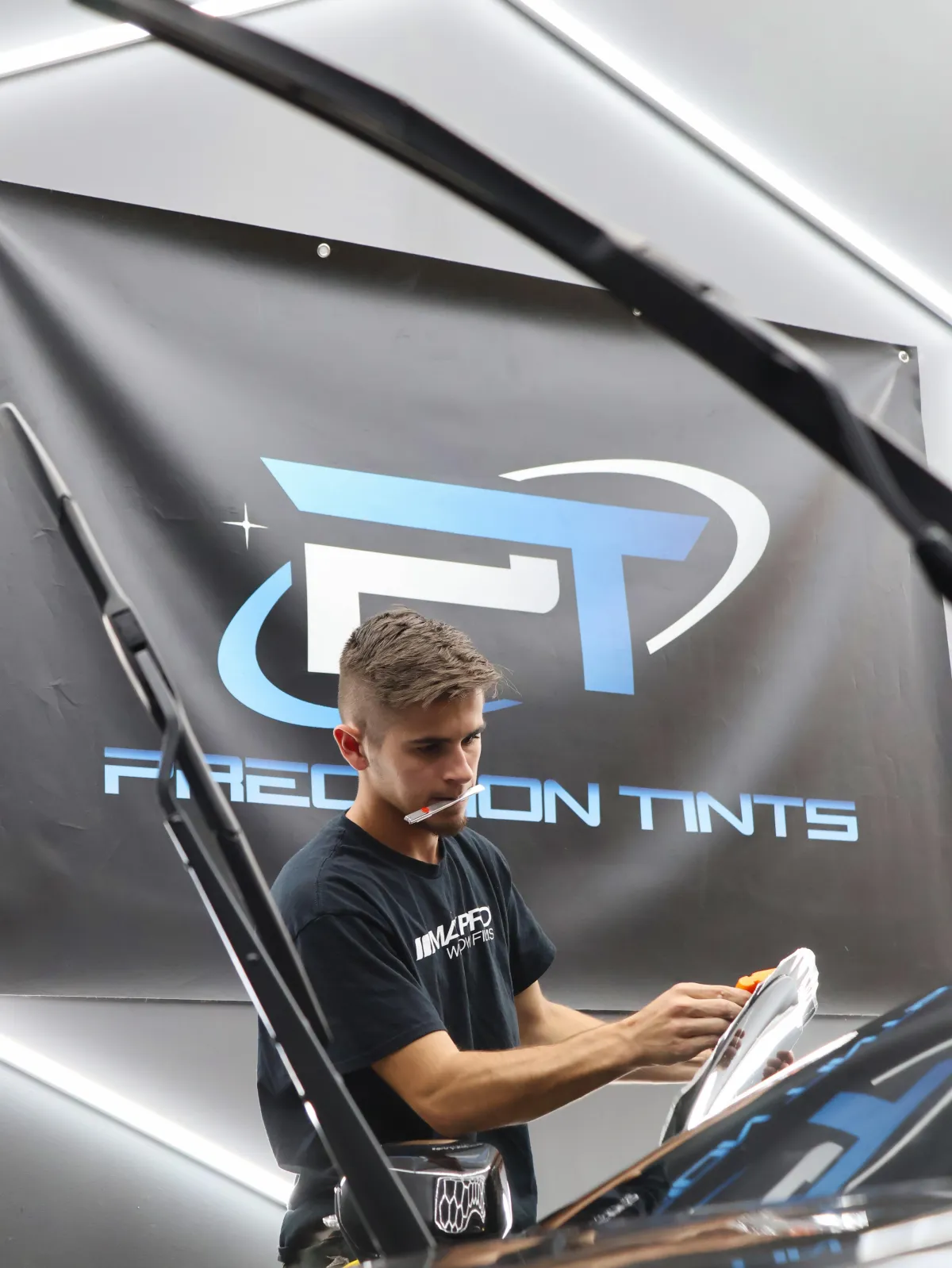
One of the most common questions I get at the shop is some version of: "Zach, how long is this going to last?" Fair question. Nobody wants to spend money on tint and watch it bubble and turn purple two summers later. So here's the real answer — not a marketing number, but what I actually see over years of installs around Lake Norman.
The short version: film type determines lifespan more than anything else. North Carolina's heat doesn't treat all films equally.
Dyed Film: The Budget Option With a Shelf Life
Dyed window tint is the entry-level product, and there's nothing inherently wrong with it for the right situation. But here's the chemistry problem — the dark appearance comes from dye molecules embedded in the film. UV exposure breaks those molecules down over time. Red pigment goes first, which is why you eventually get that purple cast that makes older tint look rough.
In NC summers, I typically see dyed film holding up for about 3 to 5 years before it starts looking tired. In a garage-kept car that doesn't sit outside all day, you might stretch that closer to 6 years. But a car baking on a Brawley School Road parking lot through July and August? You're on the shorter end of that range.
Dyed film also does the least for heat rejection compared to carbon or ceramic. It blocks visible light but doesn't do much against infrared heat. Your car still gets hot — it just looks darker.
Carbon Film: A Meaningful Upgrade
Carbon window film doesn't rely on dye for its color or performance. The carbon particles embedded in the film don't break down under UV the same way dye molecules do — so you don't get the purple fade. The matte finish also holds up well over time, which is part of why a lot of truck owners along the Hwy 150 corridor specifically ask for carbon.
Realistic lifespan in the Carolina climate: 7 to 10 years with a professional install and basic maintenance. That's nearly double the budget option. Carbon also provides noticeably better heat rejection than dyed film, which matters when you're sitting in traffic on I-77 in July with the sun coming through the side glass.
The limitation of carbon is that ceramic outperforms it on heat rejection — especially infrared blocking. Carbon is a strong mid-tier product. It's where I'd put someone who wants real performance without going to the top of the price range.
Ceramic Film: The Long Game
Ceramic window tint is what I install on most of the nicer vehicles that come through the shop — newer trucks, SUVs, and cars where the owner cares about long-term protection. The ceramic particles in the film don't fade under UV, don't conduct heat, and provide the highest heat rejection of any tint product on the market.
Lifespan in NC heat: 10 to 15-plus years when installed correctly. Most quality ceramic films come with lifetime warranties from the manufacturer. I've had customers come in from Cornelius and Denver NC with vehicles that still look clean after a decade because they went ceramic from day one.
Ceramic also blocks the most infrared heat — which is the part of sunlight that makes your car feel like an oven even with the AC running. Less infrared coming through means your AC works less, your interior fades more slowly, and you're more comfortable on the drive. For lake-area vehicles that spend time in direct sun on or near the water, that matters.
What Shortens Your Tint's Life
Film type matters, but so does how you take care of it. A few things that accelerate failure regardless of which film you chose:
- Ammonia-based cleaners. Most household glass cleaners have ammonia. Ammonia attacks the adhesive and the film itself, causing edge peeling and brittleness over time. Use an ammonia-free cleaner and a soft microfiber cloth — that's it.
- Rolling windows down too soon after install. I tell every customer: wait at least 3 days before rolling rear windows down after a fresh install. The adhesive needs time to cure fully against the glass. Rolling too early peels the edge.
- Cheap installs. Film quality and installation quality are both variables. A quality film installed badly fails early. A decent film installed properly lasts. The shop that saves you $50 upfront sometimes costs you a full replacement 18 months later — which is more money and more hassle than doing it right the first time.
How to Tell When It's Time to Replace
The obvious sign is a color change — if your tint looks more purple than it used to, the dye is breaking down. Bubbling means the adhesive has failed and air has gotten between the film and the glass. Haze or cloudiness that doesn't wipe away means the film itself is degrading from the inside.
Any of those signs on a vehicle in Mooresville, Huntersville, or anywhere along the lake corridor? Give us a call. Sometimes a partial repair on a single window works. Usually it's a full replacement on that window — and when people replace failing dyed film, they almost always move up to carbon or ceramic and don't look back.
The Right Time to Do It
With Memorial Day on May 25 and peak UV season starting now, this is the right window to get tint done if you've been putting it off. Lake Norman summers mean more high-UV days, more hours in direct sun, and more wear on unprotected glass and interior surfaces. Getting it done now means you ride out the hot stretch protected instead of planning to do it later and never getting around to it.
If you're not sure which film makes sense for your vehicle or budget, I'm happy to walk through it. Call (704) 818-6622 or stop by the shop in Mooresville — most installs can be scheduled within the week.
